
Simple Ways to Reduce Noise at Home for a Peaceful Environment
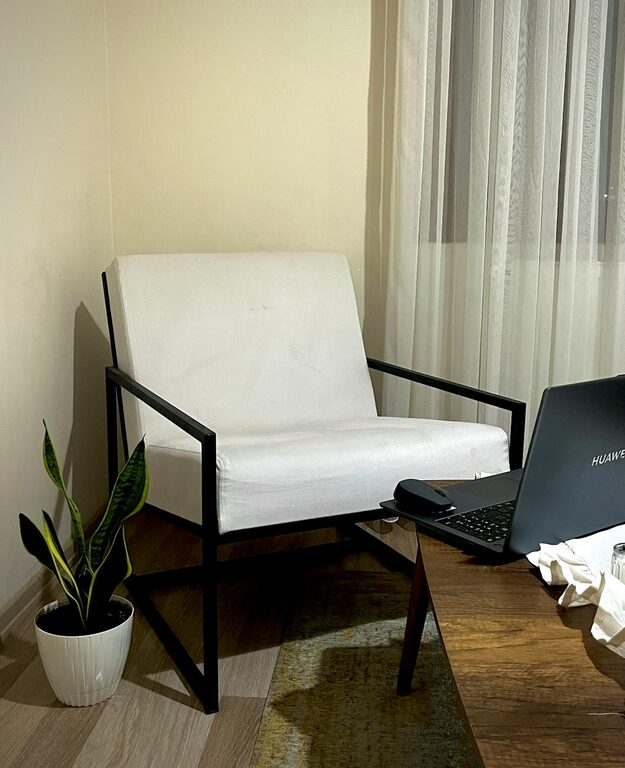
Living in a noisy environment can disrupt your peace and make it harder to relax or concentrate. Whether you have loud neighbors, busy streets outside, or just everyday household sounds, reducing noise at home is essential for comfort. The good news is that you don’t need to invest in expensive renovations to make your home quieter. This post will guide you through simple, affordable ways to reduce noise and create a peaceful atmosphere.
Why Reducing Noise at Home Matters
Noise pollution doesn’t just cause annoyance; it can also affect your sleep quality, productivity, and overall well-being. A quieter home environment helps you unwind, focus better while working or studying, and enjoy your living space without distractions. Even small steps toward noise reduction can make a significant difference.
Identify Common Noise Sources
Before you start, it’s helpful to understand what kind of noises you want to reduce:
– Outdoor noise (traffic, construction, neighbors)
– Indoor noise (appliances, footsteps, TV)
– Noise from shared walls or floors in apartments
– Echo and reverberation inside rooms
Knowing this will help you choose the most effective solutions.
Simple Ways to Reduce Noise Indoors
1. Use Rugs and Carpets
Hard flooring like tiles or wood reflects sound, making rooms feel louder. Adding rugs or carpets helps absorb noise and reduce echo. Choose thick, dense materials for better sound absorption. Place rugs in areas with heavy foot traffic or near noisy furniture.
2. Add Soft Furnishings
Cushions, curtains, and upholstered furniture absorb sound waves and soften room acoustics. Heavy curtains, especially those made from dense fabrics, can block some outside noise as well. Consider layering curtains for extra effectiveness.
3. Seal Gaps and Cracks
Noise often enters through small openings around windows, doors, and walls. Check for drafts or gaps and seal them using weatherstripping, door sweeps, or caulk. Even small spaces can let in a surprising amount of sound.
4. Rearrange Furniture
Placing large pieces of furniture like bookshelves or couches against shared walls can act as sound barriers. Bookshelves filled with books work particularly well by adding mass and reducing sound transmission.
5. Use Door Draft Stoppers
Doors, especially interior ones, can let noise pass through. Using draft stoppers or door seals at the bottom can reduce noise leakage and also improve temperature control in your home.
Managing Outdoor Noise
6. Invest in Double-Glazed Windows
If outdoor noise is a major issue, consider upgrading to double-glazed or acoustic windows. These windows have two panes with insulating air or gas between them, significantly reducing external sounds.
7. Plant Trees and Shrubs
While it may not block noise entirely, planting trees, shrubs, or installing green walls outside your windows can help absorb and deflect some sounds from busy streets or neighbors.
8. Use White Noise Machines or Fans
When noise reduction isn’t fully possible, masking unwanted sounds with consistent white noise or the gentle hum of a fan can be very effective. This creates a calming background sound and helps block distracting noises.
Soundproofing Tips for Shared Living Spaces
9. Add Acoustic Panels or Wall Hangings
Acoustic foam panels or fabric wall hangings can absorb sound in rooms with thin walls. They’re easy to install and can be both functional and decorative.
10. Use Area Rugs on Hard Floors
In apartments where you hear footsteps or voices from neighbors, thick area rugs with soundproof underlayments can reduce noise transfer between floors.
11. Close Doors and Use Room Dividers
Keeping doors closed helps contain noise within specific areas. Room dividers or folding screens with sound-absorbing materials can create quieter zones inside a larger space.
Simple Daily Habits to Maintain a Quiet Home
– Turn down the volume of TVs, music, and devices.
– Use headphones when possible to keep noise localized.
– Keep appliances well-maintained to avoid loud humming or rattling.
– Encourage family members or roommates to respect quiet times, especially in evenings.
Final Thoughts
Reducing noise in your home doesn’t have to be complicated or costly. Often, a few well-chosen changes like adding soft furnishings, sealing gaps, and rearranging furniture can result in a much quieter space. Combining these tips will help you enjoy a calmer, more peaceful home environment, perfect for relaxation and productivity.
Try out some of these ideas today and notice the difference in how calm your home feels!