
A Beginner’s Guide to Stretching at Home for Better Flexibility
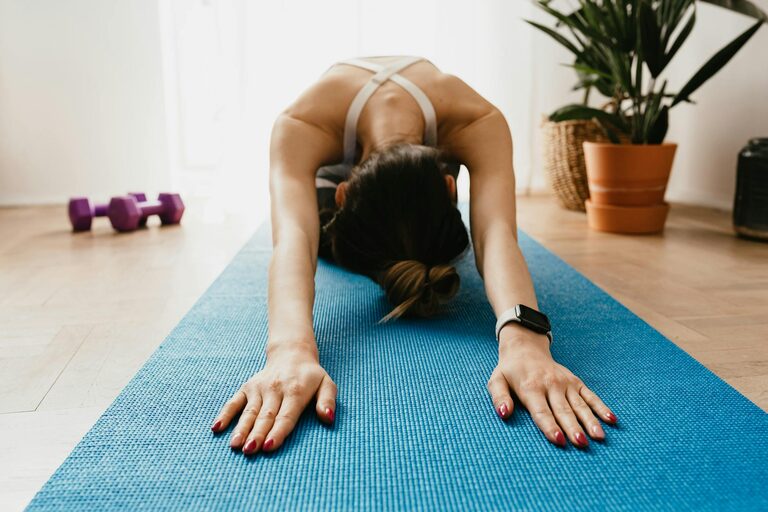
Stretching is a simple and accessible way to enhance your physical health and well-being. Whether you’re looking to improve flexibility, reduce muscle tension, or just move a bit more comfortably throughout the day, stretching at home can be a great addition to your routine. This beginner’s guide will walk you through the basics of stretching, how to start safely, and some easy stretches you can try right now.
Why Stretching Matters
Stretching isn’t just for athletes or gym enthusiasts. It helps maintain joint health, improves posture, increases blood flow, and can even reduce stress. When you regularly stretch, your muscles stay flexible, strong, and healthy. This can help prevent injuries and improve your overall mobility as you age.
Benefits of Stretching
– Improves flexibility and range of motion
– Reduces muscle stiffness and soreness
– Enhances circulation and promotes relaxation
– Helps prevent injuries related to tight muscles
– Supports better posture and balance
Getting Started: Tips for Safe Stretching at Home
Before you dive into stretching, it’s important to set yourself up for success with these simple guidelines.
Warm Up First
Stretching cold muscles can increase the risk of injury. Start with a light warm-up to get your blood flowing. This can be a brisk 5-minute walk, marching in place, or gentle arm circles.
Focus on Comfort
When stretching, avoid pushing your body too hard. You should feel a gentle pull but never pain. Stretching should be relaxing and gradually increase flexibility over time.
Breathe Naturally
Remember to breathe deeply and calmly throughout your stretches. Holding your breath can create tension, while smooth breathing promotes relaxation.
Hold and Release
Hold each stretch for about 20 to 30 seconds without bouncing. Slowly release and repeat 2–3 times for each stretch.
Simple Stretches for Beginners
Here are some basic and effective stretches you can do at home without any special equipment.
1. Neck Stretch
– Sit or stand comfortably with your back straight.
– Slowly tilt your head to the right, bringing your ear toward your shoulder until you feel a gentle stretch on the left side of your neck.
– Hold for 20 seconds, then switch sides.
2. Shoulder Stretch
– Extend your right arm across your chest.
– Use your left hand to gently press your right arm toward your chest.
– Hold for 20–30 seconds, then switch arms.
3. Chest Opener
– Stand with your feet shoulder-width apart.
– Clasp your hands behind your back and straighten your arms.
– Gently lift your chest and squeeze your shoulder blades together.
– Hold for 20 seconds.
4. Seated Forward Bend
– Sit on the floor with your legs extended straight in front of you.
– Slowly reach your hands toward your toes, bending from your hips.
– Keep your back straight and stop when you feel a comfortable stretch.
– Hold for 20–30 seconds.
5. Cat-Cow Stretch (for the Spine)
– Begin on your hands and knees, with your wrists under your shoulders and knees under your hips.
– Inhale as you arch your back, lifting your head and tailbone (Cow Pose).
– Exhale as you round your back, tucking your chin toward your chest (Cat Pose).
– Repeat 5–10 times slowly.
6. Standing Quadriceps Stretch
– Stand tall and use a chair or wall for balance if needed.
– Bend your right knee and bring your heel toward your buttocks.
– Hold your ankle with your right hand and keep your knees close together.
– Hold for 20 seconds, then switch legs.
Creating a Stretching Routine
Consistency is key to getting benefits from stretching. Here are some tips to help you build a routine that fits your lifestyle:
– Set a goal: Even 10 minutes a day can make a difference.
– Choose a regular time: Morning or evening might work best.
– Combine stretching with other activities: Stretch after a workout or walk.
– Use reminders: Set phone alerts or notes to keep your habit steady.
– Track your progress: Notice how your flexibility improves over weeks.
Common Questions About Stretching
How often should beginners stretch?
Ideally, aim for stretching at least 3–4 times per week. Daily stretching is great if time allows.
Can stretching reduce muscle soreness?
Yes, gentle stretching after activity can help ease muscle stiffness and improve recovery.
Should I stretch before or after exercise?
Gentle dynamic stretches are recommended before exercise to warm up muscles. Static stretches (holding a stretch) are best saved for after exercise to help muscles relax.
What if I feel pain while stretching?
Stop immediately if you feel sharp or intense pain. Mild discomfort is normal, but pain could indicate overstretching or an injury.
Final Thoughts
Stretching at home is an easy way to care for your body, even on busy days. With no need for equipment or special space, anyone can benefit from making stretching part of their daily routine. Start slow, listen to your body, and enjoy the calming and strengthening effects of better flexibility.
Remember, the journey to flexibility and comfort is gradual—be patient and consistent, and your body will thank you!
—
If you found this guide helpful, share your favorite stretches or tips in the comments below. Happy stretching!